ByJohn A
Why Polycarbonate Rooflights Are the Smart Choice for Modern Buildings
Natural daylight has become a key consideration in modern building design. Whether for commercial premises, industrial facilities, educational buildings, or residential properties, bringing more natural light into a space can improve comfort, reduce energy consumption, and create a more welcoming environment. One of the most effective ways to achieve this is through the use of polycarbonate rooflights.
Designed to maximise daylight while maintaining durability and thermal performance, rooflights have become a popular solution across the UK. Their versatility, weather resistance, and cost-effectiveness make them suitable for a wide range of applications.
What Are Polycarbonate Rooflights?
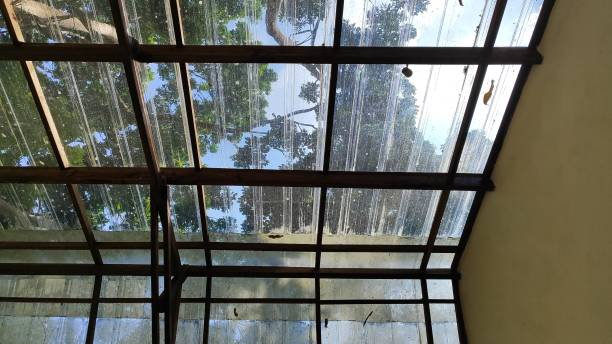
Polycarbonate rooflights are daylighting systems manufactured from high-performance polycarbonate material. They are installed within roofing structures to allow natural light to enter a building while providing protection against weather conditions.
Polycarbonate is a lightweight yet exceptionally strong thermoplastic that offers excellent impact resistance. Unlike traditional glass, it is less likely to break and can withstand harsh environmental conditions, making it an ideal material for roof glazing applications.
Available in various designs, sizes, and configurations, rooflights can be incorporated into both new-build and refurbishment projects.
The Benefits of Natural Daylighting
Natural light plays a significant role in creating healthier and more productive indoor environments. Studies have shown that well-lit spaces can positively influence mood, productivity, and overall wellbeing.
Some of the key advantages of increased daylight include:
- Reduced reliance on artificial lighting
- Lower energy costs
- Improved occupant comfort
- Enhanced visual appeal
- Better working and living environments
- Increased property value
Rooflights help distribute daylight evenly throughout a building, reducing dark areas and creating brighter interior spaces.
Durability and Strength
One of the primary reasons many architects and contractors choose polycarbonate rooflights is their exceptional durability.
Polycarbonate is renowned for being significantly stronger than glass while remaining lightweight. This combination allows rooflights to withstand:
- Heavy rain
- Snow loads
- Strong winds
- Hail impacts
- Temperature fluctuations
This durability makes them particularly suitable for commercial and industrial buildings where long-term performance is essential.
Energy Efficiency and Thermal Performance
Energy efficiency has become a major focus for building owners across the UK. Modern rooflights are designed to help reduce energy consumption without compromising comfort.
Advanced multiwall polycarbonate structures provide excellent insulation properties. By allowing natural daylight into a building, occupants can reduce the use of artificial lighting during daytime hours.
At the same time, insulated rooflight systems help minimise heat loss during colder months and reduce excessive solar gain during warmer periods. The result is a more energy-efficient building with lower operating costs and improved environmental performance.
A Wide Range of Design Options
Modern rooflight systems are available in numerous styles to suit different building requirements.
Design options may include:
- Flat roof rooflights
- Dome rooflights
- Pyramid rooflights
- Barrel vault rooflights
- Continuous rooflights
- Bespoke rooflight solutions
For property owners looking to purchase products conveniently, many suppliers now offer the ability to buy online polycarbonate rooflights through their websites, making specification and ordering more straightforward than ever.
Applications Across Multiple Sectors
Polycarbonate rooflights are used in a variety of environments throughout the UK.
Commercial Buildings
Offices, retail units, and shopping centres often utilise rooflights to improve indoor lighting conditions while reducing energy consumption.
Natural daylight creates a more pleasant atmosphere for employees and customers alike.
Industrial Facilities
Warehouses, manufacturing plants, and distribution centres benefit significantly from rooflights due to their large floor areas.
Roof-mounted daylighting systems help illuminate workspaces and reduce the need for artificial lighting during operational hours.
Educational Buildings
Schools, colleges, and universities frequently incorporate rooflights into classrooms, libraries, and communal areas.
Daylight-filled learning environments can contribute to better concentration and improved comfort for students and staff.
Residential Properties
Homeowners are increasingly incorporating rooflights into extensions, loft conversions, kitchens, and open-plan living spaces.
Natural light can transform dark areas into bright and inviting rooms while enhancing the overall appearance of a property.
Why Flat Roof Buildings Benefit from Rooflights
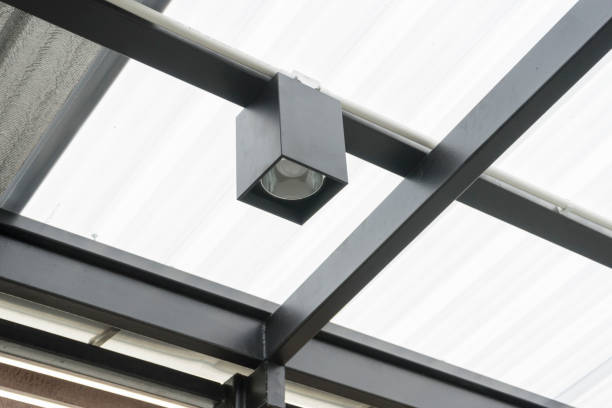
Flat roof structures can often suffer from limited access to natural daylight, particularly in deeper floor plans.
This is where polycarbonate rooflights flat roofs solutions provide significant advantages.
By introducing overhead daylight into the centre of a building, rooflights can brighten areas that traditional windows cannot effectively reach.
Benefits for flat roof applications include:
- Increased daylight penetration
- Improved interior aesthetics
- Better energy efficiency
- Enhanced property value
- Modern architectural appearance
These advantages have made rooflights a popular feature in both residential extensions and commercial developments.
Weather Resistance for UK Conditions
The UK’s weather can be unpredictable, with frequent rainfall, strong winds, and seasonal temperature changes.
Polycarbonate materials are specifically engineered to withstand these challenging conditions.
Quality rooflight systems typically offer:
- UV protection
- Water-tight sealing systems
- Resistance to corrosion
- Long-term colour stability
- Excellent impact performance
These characteristics help ensure reliable performance and minimise maintenance requirements over time.
Low Maintenance Requirements
Building owners often seek solutions that deliver long-term value without creating ongoing maintenance concerns.
Rooflights require relatively little maintenance compared to some alternative glazing options.
Routine care generally involves:
- Occasional cleaning
- Inspection of seals
- Removal of debris
- Checking drainage channels
Because polycarbonate is highly resistant to cracking and breakage, maintenance costs are typically kept to a minimum.
The Growing Popularity of Roof Domes
Among the various rooflight styles available, polycarbonate roof domes continue to be one of the most popular options.
Their curved design provides several practical benefits:
- Effective water drainage
- Enhanced structural strength
- Excellent light transmission
- Modern visual appeal
- Compatibility with many roof types
Roof domes are commonly used on commercial buildings, schools, healthcare facilities, and residential properties throughout the UK.
Their versatility makes them suitable for both replacement projects and new installations.
Sustainability and Environmental Benefits
Sustainable building practices are becoming increasingly important across all sectors. Rooflights support sustainability objectives in several ways:
Reduced Energy Consumption
By increasing natural daylight levels, buildings can rely less on artificial lighting.
Lower Carbon Emissions
Reduced electricity usage contributes to lower overall carbon emissions.
Long Product Lifespan
Durable materials reduce the need for frequent replacement, helping minimise waste.
Recyclable Materials
Many polycarbonate products can be recycled at the end of their service life, supporting circular economy initiatives.
These benefits make rooflights an attractive choice for environmentally conscious projects.
Choosing the Right Rooflight Supplier
Selecting a reputable supplier is essential for achieving the best results.
When evaluating suppliers, consider:
- Product quality
- Industry certifications
- Warranty coverage
- Technical support
- Customisation options
- Installation guidance
Working with an experienced manufacturer helps ensure compliance with UK building regulations and project-specific requirements.
It also provides confidence that the selected rooflight system will deliver long-term performance.
Installation Considerations
Proper installation plays a crucial role in rooflight performance. Factors to consider include:
- Roof structure compatibility
- Thermal performance requirements
- Waterproofing details
- Ventilation needs
- Building regulations compliance
- Access for maintenance
Professional installation ensures optimal weather resistance, energy efficiency, and longevity. Early planning during the design stage can also help maximise daylight distribution and overall building performance.
See also: First Home Buyers in Perth Mistakes to Avoid When Purchasing Property
Conclusion
As modern buildings increasingly prioritise sustainability, energy efficiency, and occupant wellbeing, polycarbonate rooflights continue to offer an effective daylighting solution. Their strength, durability, thermal performance, and design flexibility make them suitable for a wide range of residential, commercial, and industrial applications. From flat roof extensions to large-scale commercial developments, rooflights help create brighter, more comfortable spaces while reducing energy costs. Whether you are looking to upgrade an existing building or planning a new project, investing in quality rooflight solutions can deliver long-term value, enhanced aesthetics, and improved environmental performance. For expert advice and premium products, contact a trusted supplier today to discuss the best rooflight solution for your project requirements.