ByJohn A
F1 Goldendoodle Puppies: Training Tips for a Well-Behaved Companion
Bringing home a new puppy is an exciting milestone that comes with both joy and responsibility. Establishing good training habits from the beginning can help create a positive and rewarding relationship for years to come.
F1 Goldendoodle puppies are known for their friendly personalities, intelligence, and eagerness to learn. As a cross between a Golden Retriever and a Poodle, they often inherit qualities that make them excellent family companions. However, like any puppy, they require proper training and guidance to develop into well-mannered adult dogs.
Training is about more than teaching commands. It helps build trust, strengthens the bond between owner and puppy, and encourages positive behaviors that make daily life enjoyable for everyone. Starting early and remaining consistent can make a significant difference in your puppy’s development.
Why Early Training Matters
The first few months of a puppy’s life are critical for learning. During this stage, puppies absorb information quickly and form habits that can last a lifetime. Early training helps establish boundaries and teaches acceptable behavior before unwanted habits become difficult to correct.
F1 Goldendoodle puppies are naturally curious and energetic. Without guidance, they may develop behaviors such as excessive chewing, jumping on people, or ignoring commands. Training provides structure and helps channel their energy in productive ways.
Benefits of Early Training
- Builds confidence and trust
- Encourages good social behavior
- Reduces unwanted habits
- Improves communication between owner and puppy
- Creates a foundation for advanced training later
Establishing a Consistent Routine
Dogs thrive on routine because it helps them understand expectations. A predictable schedule for feeding, potty breaks, exercise, playtime, and training sessions makes learning easier.
Consistency is one of the most important factors in successful training. When rules change frequently, puppies become confused and may struggle to understand what is expected of them.
Elements of a Good Routine
Feeding Schedule
Feed your puppy at the same times each day. Regular feeding helps establish predictable bathroom habits.
Potty Breaks
Take your puppy outside after meals, naps, play sessions, and first thing in the morning.
Training Sessions
Short training sessions of five to ten minutes are often more effective than long sessions that may overwhelm a young puppy.
Using Positive Reinforcement
Positive reinforcement is one of the most effective training methods for F1 Goldendoodle puppies. This approach rewards desired behaviors, making puppies more likely to repeat them in the future.
Rewards may include treats, praise, toys, or affection. The key is to reward the puppy immediately after the desired behavior occurs.
Examples of Positive Reinforcement
- Giving a treat after the puppy sits on command
- Offering praise when the puppy comes when called
- Providing playtime after successful training exercises
Avoid harsh punishment, as it can create fear and damage trust. Instead, redirect unwanted behavior and reward good choices.
Teaching Basic Commands
Basic obedience commands form the foundation of a well-behaved companion. These commands improve safety and help puppies learn self-control.
Sit
The sit command is often one of the easiest commands for puppies to learn. It teaches patience and can help manage excitement.
Stay
Stay encourages impulse control and helps puppies remain calm in various situations.
Come
A reliable recall command is essential for safety. Teaching your puppy to come when called can prevent dangerous situations.
Down
The down command helps encourage calm behavior and can be useful in busy environments.
Leave It
This command teaches puppies to avoid picking up or investigating objects that may be unsafe.
House Training Success
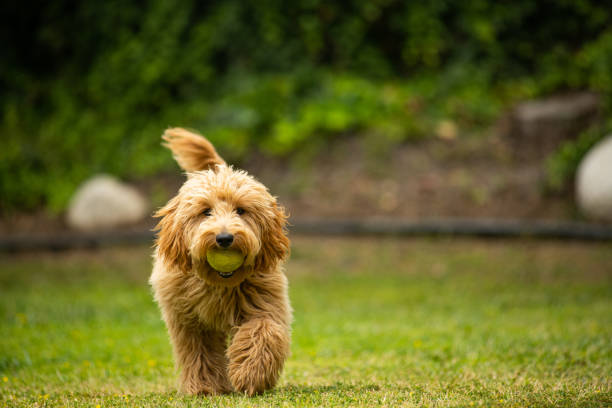
House training is one of the first challenges many owners face. Fortunately, F1 Goldendoodle puppies often learn quickly when training is consistent.
Take your puppy outside frequently and reward successful bathroom trips immediately. Supervision indoors is also important to prevent accidents.
Tips for House Training
- Create a regular potty schedule
- Watch for signs that your puppy needs to go outside
- Reward successful bathroom breaks
- Clean accidents thoroughly to remove odors
- Remain patient during the learning process
Accidents are a normal part of training and should be viewed as learning opportunities rather than failures.
Socialization for Better Behavior
Socialization introduces puppies to new experiences, people, sounds, and environments. Proper socialization helps reduce fear and builds confidence.
F1 Goldendoodle puppies generally enjoy meeting new people and animals, but positive early experiences are still important for developing good manners.
Socialization Opportunities
Meeting New People
Introduce your puppy to individuals of different ages and appearances.
Exploring Different Environments
Take your puppy to safe locations where they can experience new sights and sounds.
Interacting with Other Dogs
Controlled interactions with friendly, vaccinated dogs can help develop social skills.
Positive experiences during socialization help create a confident and adaptable adult dog.
Managing Common Puppy Behaviors
Even well-trained puppies can display challenging behaviors. Understanding why these behaviors occur makes them easier to address.
Chewing
Puppies chew as part of teething and exploration. Provide appropriate chew toys and redirect attention away from household items.
Jumping
Many puppies jump because they are excited to greet people. Reward calm greetings instead of giving attention when jumping occurs.
Barking
Excessive barking may result from boredom, excitement, or a desire for attention. Identifying the cause can help determine the best solution.
Nipping
Mouthing and nipping are common during puppyhood. Redirect the behavior to appropriate toys and teach gentle interaction.
See also: The Future of Technology in Educational Innovation
The Importance of Mental Stimulation
F1 Goldendoodle puppies are intelligent and require mental challenges in addition to physical exercise. Mental stimulation helps prevent boredom and reduces the likelihood of destructive behaviors.
Activities for Mental Enrichment
- Puzzle toys
- Obedience training
- Interactive games
- Hide-and-seek activities
- Learning new commands
Providing a variety of activities keeps your puppy engaged and encourages healthy development.
Building Good Leash Manners
Walking politely on a leash is an important skill for any companion dog. Start leash training early and practice in quiet environments before progressing to more distracting locations.
Leash Training Tips
- Use short, positive training sessions
- Reward your puppy for walking beside you
- Stop moving when pulling occurs
- Encourage attention and focus during walks
- Gradually introduce new environments
Patience and consistency are essential as your puppy learns this skill.
Maintaining Long-Term Training Success
Dog training does not end once your puppy learns basic commands. Continued practice helps reinforce good habits and ensures skills remain reliable over time.
Ways to Maintain Progress
Practice Regularly
Review commands throughout the week to keep skills sharp.
Increase Challenges Gradually
Introduce distractions and new environments as your puppy becomes more confident.
Continue Socialization
Ongoing exposure to new experiences supports confidence and adaptability.
Stay Consistent
All family members should follow the same rules and expectations.
Conclusion
F1 Goldendoodle puppies have many qualities that make them wonderful companions, including intelligence, friendliness, and a willingness to learn. With consistent training, positive reinforcement, and proper socialization, they can develop into well-behaved and confident adult dogs.
The key to success is patience and commitment. By establishing routines, teaching essential commands, encouraging positive behaviors, and providing both physical and mental stimulation, owners can help their puppies build the skills needed for a happy and rewarding life. Training is an ongoing journey, but the effort invested during puppyhood can create a strong foundation for years of companionship.