ByJohn A
Upper vs. Lower Endoscopy: Key Differences, Indications, and How to Prepare
Not sure which endoscopy you need for your abdominal health issues? You might need an upper endoscopy, lower endoscopy, or both based on your symptoms and family history. This blog will explain the differences between both, including indications, when needed, and preparation methods.
Key Takeaways
- Upper vs Lower Endoscopy: Upper endoscopy examines your food pipe, stomach, and duodenum, and lower endoscopy examines your rectum and intestines.
- Indications for Getting Endoscopy: To understand upper abdominal issues like pain and vomiting, upper endoscopy is done, and for rectal issues like bleeding and bowel problems, lower endoscopy is suggested.
- Preparations for Each Exam: Food and drink consumption instructions differ for these two tests, including the time until diet cutoff and the after-effects of the exams.
An upper endoscopy test is used to examine your upper body parts, like the esophagus, stomach, and duodenum, through your mouth. Contrastingly, lower endoscopy covers the examination of your colon and rectum.
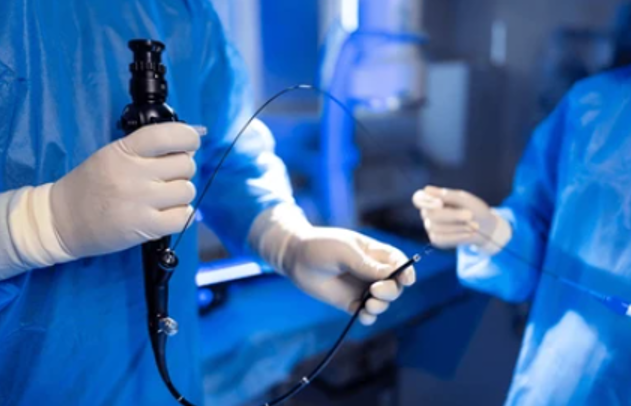
In both cases, professionals use a flexible camera and conduct the test after administering sedatives so that you do not feel the pain. This blog will explain the major differences and indications between these two tests and ways to prepare for each of them.
The Differences Between Upper and Lower Endoscopy
Endoscopy (Endoscopie) alone usually means the upper abdomen exam, while colonoscopy is the most common lower abdomen exam. Biopsies as well as polyp removal can be done during both procedures.
Here’s how both of them differ from each other.
| Upper Endoscopy | Lower Endoscopy | |
| Alternative Names | Gastroscopy, Upper GI Scope, EGD | Colonoscopy or Flexible Sigmoidoscopy (rectum and lower colon) |
| Point of Entry | Mouth | Rectum |
| Examined Areas | Esophagus, stomach, duodenum | Rectum and colon (the large intestine) |
| Common Reasons | Swallowing trouble, heartburn, upper abdominal pain, and unexplained vomiting | Rectal bleeding, abnormal FIT, bowel-habit changes, family-risk surveillance, IBD monitoring |
| Preparation | You should fast for several hours before the test | Follow a low-fiber diet, consume clear liquids, and ensure laxative bowel preparation |
| Typical Duration | About 15-30 minutes, with exam preparation and other things about an hour | About 30-60 minutes, with additional preparation time before the test and post-test recovery time |
| Sedation | Usually administered, and you will need an escort later to go back home | Usually administered, and you will need an escort later to go back home |
| Things Possible During Exam | Biopsies for H. pylori or celiac disease | Biopsies and polyp removal |
Table 1: Upper vs. Lower Endoscopy
When Are Upper and Lower Endoscopy Ordered?
As both procedures examine different body parts, they are ordered in different situations. The usual screening pathway is to do FIT first, and when you get a positive result, you are required to get a colonoscopy done.
Upper Endoscopy is commonly ordered for when you notice:
Persistent heartburn or reflux
Difficulty or pain swallowing
Signs of upper GI bleeding, leading to black, tarry stools (melena)
Unexplained upper abdominal pain, nausea, or vomiting
Suspected ulcers, H. pylori, or celiac disease (biopsy)
Follow-up of known conditions such as Barrett’s esophagus.
Lower Endoscopy is recommended for you when there is:
Rectal bleeding or blood in stool
Persistent change in bowel habits
Persistent pain in the abdomen or unexplained anemia
Abnormal FIT results
High-risk family history where a parent, sibling, or child has been diagnosed before 60 years of age
It is also recommended for monitoring inflammatory bowel disease or previous polyps.
Real-World Scenario
A woman aged 47 in Ontario suffered from heartburn and also got a FIT test done. The result turned out to be positive and needed a follow-up. Her clinic booked both procedures in one visit. She fasted, completed split-dose prep, went through the tests, and took her pre-arranged ride to return home. Considering that she had both scopes under one sedation, she recovered safely and soon.
See also: What Are the Most Common Blockchain Misconceptions?
How Should You Prepare for Each Procedure?
To ensure that the examination gets a clear view of your gut and abdomen, you will need to make sure that you are on an empty stomach for upper endoscopy (endoscopie) and clear your bowels for colonoscopy.
Here’s a typical prep timeline to help you understand what you are usually supposed to do.
5-7 Days Before Exam
Upper Endoscopy: Share your medication list and ask about blood thinners, diabetes drugs, and iron consumption
Lower Endoscopy: Same as Upper Endoscopy; Additionally, avoid nuts and seeds if your clinic asks you to (for around 3 to 5 days)
Day Before Exam
Upper Endoscopy: Eat normally until your fasting cutoff
Lower Endoscopy: Consume low-fiber foods, then clear liquids only (no red drinks), and begin the first preparation dose as directed
Morning of Exam
Upper Endoscopy: Do not consume solids for about 6-8 hours, and even clear fluids are not allowed until 2 hours before the exam
Lower Endoscopy: Start the second preparation dose about 4 hours before, if directed, and consume only clear fluids until cutoff
Before You Leave the Clinic
Upper Endoscopy: Arrange a ride and escorts to get back home and keep your ID and health card on you
Lower Endoscopy: Same as Upper Endoscopy
Post-Exam
Upper Endoscopy: You might experience a sore throat and mild bloating
Lower Endoscopy: You might experience gas, cramping, and frequent stools at first
This is an illustrative timeline for understanding. For preparation and post-exam guidelines, clinic instructions vary a lot, so consult your clinic for personalized instructions.
Tip!
If you use a GLP-1 medication such as semaglutide for diabetes or weight loss, you should inform your clinic early. They can delay stomach emptying, so you might need to hold your dose before the procedure to empty the stomach for safe sedation. Also, do not stop ongoing medication without medical advice.
Conclusion
Both upper endoscopy and lower endoscopy are abdominal tests, but they have their own purpose and area of investigation. They have different types of preparation requirements as well, so consult your clinic or specialist while preparing for each.
Facing the Aforementioned Symptoms? Consult Professionals to Know Whether You Need an Endoscopy!
Look for clinics that offer both, or the one that you need, and follow their instructions to make sure that the examination results come out right.